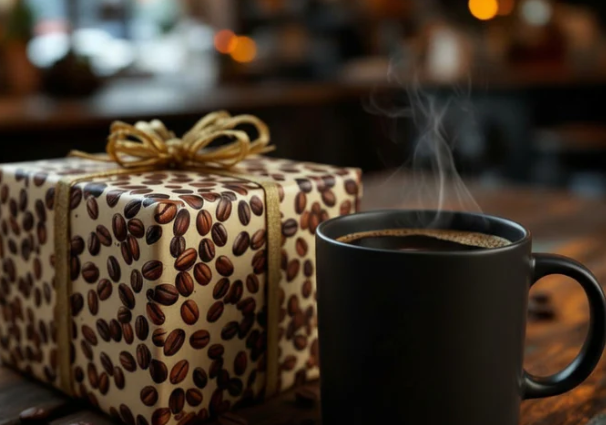
The most reliable revenue in any consumer business comes from customers who have built your product into their daily routine. Habits are the foundation of subscription retention, repeat purchase rates, and the kind of organic growth that compounds steadily over years. Medium roast coffees sit at the center of one of the strongest daily consumer habits in the world: the morning coffee ritual. For entrepreneurs across categories, understanding how coffee brands encode themselves into daily routines offers a powerful framework for thinking about habit formation in their own products.
The Science of Habit Formation and Its Business Implications
Behavioral research on habit formation identifies three key components: a cue that triggers the behavior, a routine that constitutes the behavior, and a reward that reinforces it. For coffee drinkers, the cue might be waking up, the routine is the brewing process, and the reward is both the caffeine and the sensory pleasure of a great cup. Brands that understand this loop can design their product and marketing to reinforce each element. Medium roast coffees are particularly well positioned for habit formation because their balanced flavor profile does not require the mood-specific conditions that very light or very dark roasts sometimes demand. They are the everyday choice, the reliable reward that fits naturally into the morning ritual regardless of how the night before went.
Designing Product Experiences That Encourage Daily Ritual
Coffee brands that invest in the ritual experience, not just the product quality, see significantly stronger habit formation. This means beautiful packaging worth displaying on a kitchen counter, clear brewing guides that make preparation feel intentional rather than rushed, and careful attention to the aromatics that greet a customer when they open the bag. These sensory design choices are not superficial. They are the cues and rewards that neurologically reinforce the habit loop. Brands that get this right benefit from a form of product loyalty that is genuinely difficult to disrupt even with competitive pricing or aggressive promotions. See how medium roast coffees specialists at First and Main Coffee Co. approach product experience design as a core business strategy rather than an afterthought.
Subscription Models as Habit Infrastructure
Subscription delivery is habit infrastructure as much as it is a revenue model. When a customer receives fresh beans on a regular cadence, their coffee-making routine is maintained without requiring repeated active purchasing decisions. Each delivery reinforces the habit while removing the friction points that might cause someone to switch to a competitor out of convenience. From a business metrics perspective, customers who subscribe and maintain the habit have dramatically higher lifetime value than single-purchase customers. The investment in subscription onboarding, retention, and experience quality pays compounding returns over the duration of the relationship.
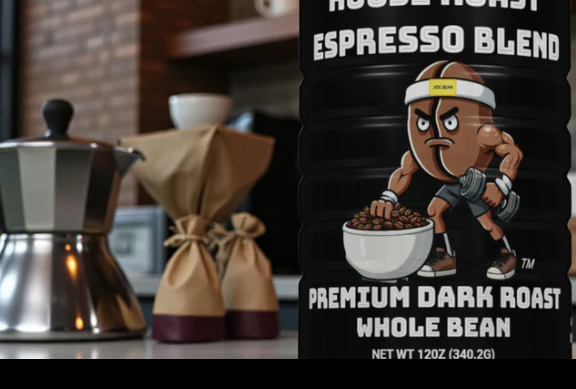
The Future of Habit-Based Commerce in the Food and Beverage Industry
The food and beverage industry is rapidly moving toward habit-based commerce models across multiple categories. Meal kits, functional beverages, wellness supplements, and specialty snacks are all borrowing frameworks from the coffee subscription world to build daily ritual products with strong retention economics. Entrepreneurs who design their products and customer journeys with the habit formation loop explicitly in mind from the beginning will build businesses with fundamentally stronger retention economics and lower long-term customer acquisition cost requirements.
Conclusion
The daily ritual around medium roast coffees is a masterclass in habit-based business building. Quality, consistency, sensory ritual, and frictionless replenishment work together to create the kind of consumer relationship that sustains businesses for decades. Entrepreneurs who design with the morning routine in mind are not just selling a product. They are earning a place in their customer’s daily life. That is the most valuable real estate in consumer commerce.