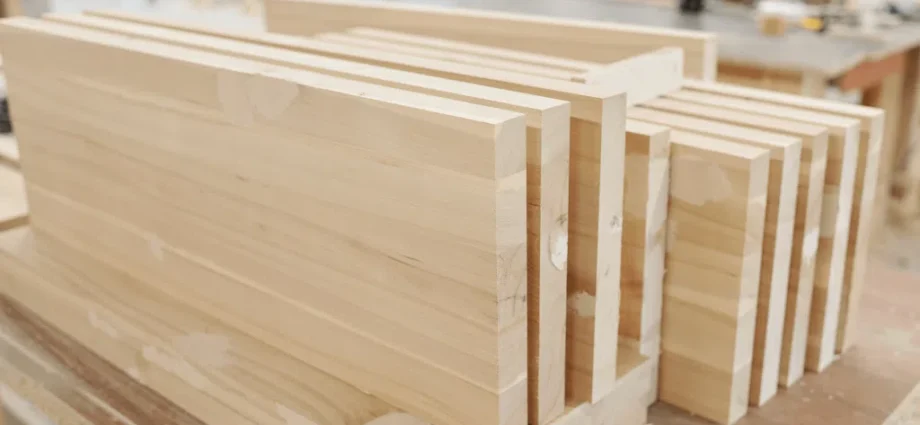
When you walk into a beautifully designed home or office, chances are you’re surrounded by carefully crafted wooden elements. From solid doors and custom cabinetry to structural beams and decorative panels, wood has a timeless presence that adds warmth and authenticity to any space. Behind every polished surface is a network of skilled artisans, engineers, and innovators who bring raw timber to life.
In today’s competitive building and design industry, wood products manufacturers play a crucial role in shaping not just structures, but experiences. Their work blends tradition with technology, sustainability with strength, and artistry with accuracy. Let’s explore what truly sets this industry apart and why it continues to thrive in a modern world.
The Evolving Role of wood products manufacturers in Modern Construction
The woodworking industry has evolved far beyond simple sawmills and hand tools. Today’s manufacturers operate advanced facilities equipped with precision machinery, computer guided cutting systems, and environmentally responsible processing methods.
At the heart of their success lies a commitment to consistency and craftsmanship. Builders, architects, and interior designers rely on manufacturers to provide highquality materials that meet strict standards for durability, appearance, and performance. Whether it’s engineered hardwood flooring or laminated structural components, every product must deliver reliability without compromising style.
Sustainability has also become a defining factor. Many manufacturers now source timber from responsibly managed forests and adopt waste reduction techniques that minimize environmental impact. This shift not only supports ecological balance but also aligns with consumer expectations for greener building solutions.
Craftsmanship Meets Innovation
While traditional woodworking skills remain essential, innovation has transformed production processes. Automation allows for precise cuts and seamless assembly, ensuring products fit perfectly in largescale construction projects. At the same time, skilled craftsmen oversee quality control, maintaining the character and detail that make wood unique.
How wood products manufacturers Balance Quality and Efficiency
Striking the right balance between efficiency and excellence requires strategic planning and attention to detail. Manufacturers achieve this by focusing on:
- Careful material selection, advanced drying techniques, and precision machining to reduce defects and maintain structural integrity.
By investing in research and development, manufacturers continue improving product longevity and resilience. Treatments that enhance moisture resistance, fire performance, and pest protection allow wood products to perform well in diverse climates and demanding environments.
Beyond technical performance, customization is another major advantage. Clients often seek tailored dimensions, finishes, and design elements. Modern facilities can accommodate these requests without sacrificing turnaround times, making wood a flexible and attractive option for a wide range of applications.
The Value of Strong Industry Partnerships
No manufacturer operates in isolation. Collaboration with suppliers, designers, and contractors ensures that every project runs smoothly from start to finish. Open communication about specifications, delivery schedules, and compliance standards builds trust and long-term relationships.
Manufacturers also play an educational role. By guiding clients on proper installation, maintenance, and material selection, they help extend the life of finished products. This support not only enhances customer satisfaction but also strengthens brand reputation.
In addition, local manufacturing supports regional economies. Facilities create jobs, stimulate trade, and encourage sustainable forestry practices within their communities. As demand for natural materials grows, this economic contribution becomes even more significant.
Looking Ahead: The Future of Wood Manufacturing
The future of the wood industry looks promising. Technological advancements continue to unlock new possibilities, from cross laminated timber used in Highrise construction to digitally design decorative panels that push creative boundaries.
At the same time, consumers increasingly value authenticity. Wood offers a tactile, organic quality that synthetic materials struggle to replicate. Its versatility, renewability, and aesthetic appeal make it a reliable choice for forward-thinking projects.
As environmental awareness expands, manufacturers are likely to invest further in renewable energy, carbon neutral production processes, and smarter waste management systems. These initiatives will not only protect natural resources but also reinforce wood’s reputation as a responsible building material.
Conclusion
From rustic beams to sleek architectural panels, wood continues to define spaces with character and strength. The dedication of wood products manufacturers ensures that this natural resource is transformed into dependable, beautiful products that stand at the test of time.
By blending tradition with innovation, prioritizing sustainability, and fostering strong partnerships, the industry remains resilient and forward focused. As construction trends evolve and design preferences shift, one thing is certain: expertly crafted wood products will always have a place in the structures we build and the environments we cherish.