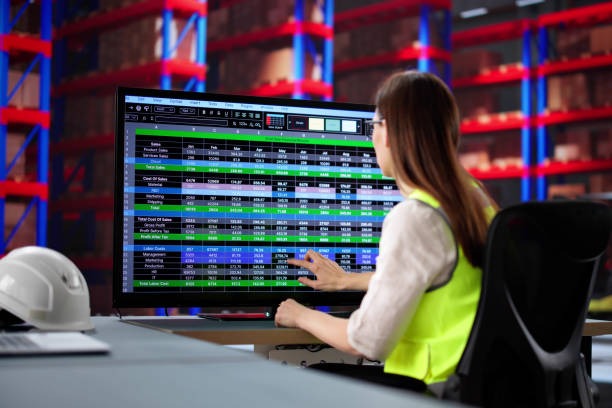
The transportation and logistics industry is becoming more technology-driven every year, and businesses are constantly searching for ways to improve efficiency while reducing operational costs. One of the most significant innovations in recent years is Freight brokerage software, which simplifies communication, shipment planning, carrier management, and dispatching. Instead of relying on manual scheduling, spreadsheets, or endless phone calls, brokers can automate routine tasks and focus on growing their business. Freight brokerage software enables companies to organize loads, assign carriers, monitor shipments, and manage documentation from a centralized platform, making dispatch operations faster and more accurate.
Why Freight brokerage software is transforming dispatch operations
Traditional dispatching often involves repetitive manual work that can delay shipments and increase the risk of errors. Freight brokerage software changes this process by automatically matching available loads with qualified carriers, updating shipment information in real time, and keeping everyone connected throughout the transportation cycle.
Automation also reduces paperwork while improving communication between brokers, carriers, and customers. As logistics operations continue to expand, companies need reliable systems that can scale without increasing administrative workload. Freight brokerage software provides the flexibility to manage growing shipment volumes while maintaining consistent service quality.
How Freight brokerage software automates dispatching
Modern dispatch automation relies on intelligent workflows that minimize manual intervention. Freight brokerage software collects shipment information, verifies carrier availability, schedules deliveries, and sends dispatch instructions within minutes instead of hours.
The software can automatically prioritize loads based on delivery deadlines, available equipment, driver preferences, and geographic location. Real-time updates help dispatchers respond quickly to unexpected delays, weather conditions, or route changes. Since every shipment is tracked digitally, businesses gain better visibility into fleet performance and customer expectations.
Key automation features include:
- Automatic load assignment based on carrier availability
- Digital dispatch notifications sent instantly to drivers
- Real-time shipment tracking and status updates
- Electronic document management for faster processing
These features reduce administrative effort while improving operational accuracy and customer satisfaction.

Benefits of Freight brokerage software for logistics businesses
Businesses that invest in Freight brokerage software often experience measurable improvements in productivity and service quality. Automation eliminates repetitive tasks, allowing employees to focus on customer relationships, business development, and strategic planning rather than manual paperwork.
Another important benefit is improved decision-making. With centralized data and reporting tools, dispatch managers can monitor delivery performance, carrier utilization, and operational efficiency. This visibility supports faster responses to disruptions and helps businesses continuously improve their logistics processes.
Furthermore, automated dispatching minimizes costly mistakes such as assigning duplicate loads, overlooking delivery appointments, or missing important shipment updates.
Freight brokerage software improves communication across the supply chain
Efficient logistics depend on clear communication between brokers, carriers, drivers, warehouses, and customers. Freight brokerage software creates a shared digital environment where shipment information is updated instantly and accessible to authorized users.
When dispatch instructions change, notifications can be delivered immediately without relying on repeated phone calls or emails. Customers also benefit from real-time shipment visibility, allowing them to receive accurate delivery estimates and proactive status updates. Better communication strengthens trust while reducing misunderstandings that could delay shipments or increase operating costs.
Freight brokerage software supports business growth
As freight companies expand, manual dispatch processes become increasingly difficult to manage. Higher shipment volumes require faster scheduling, improved coordination, and more accurate recordkeeping. Freight brokerage software provides the scalability needed to support business growth without significantly increasing staffing requirements.
Automation allows brokers to manage hundreds or even thousands of shipments simultaneously while maintaining operational consistency. Integrated reporting tools also help management identify trends, evaluate carrier performance, and optimize future dispatch strategies.
Technology-driven operations make it easier to serve additional customers while maintaining high service standards across multiple regions and transportation networks.
Common challenges when implementing Freight brokerage software
Although automation delivers numerous advantages, successful implementation requires careful planning. Businesses should evaluate their operational needs, existing workflows, and integration requirements before selecting a software platform.
Employee training is equally important. Staff members must understand how to use automated dispatch tools effectively to maximize productivity and minimize resistance to change. Regular software updates and ongoing technical support also contribute to long-term success.
Organizations that invest time in proper implementation generally achieve faster adoption and stronger returns from their Freight brokerage software investment.
The future of Freight brokerage software and automated dispatching
The future of logistics automation continues to evolve with artificial intelligence, predictive analytics, and machine learning. Freight brokerage software is expected to become even smarter by automatically predicting shipment delays, recommending optimal carrier selections, and improving route planning through advanced data analysis.
Automation will also continue reducing manual paperwork through digital documentation, electronic signatures, and intelligent workflow management. Businesses adopting these technologies today will be better prepared to compete in an increasingly fast-paced transportation industry.
As customer expectations for speed and transparency continue to rise, automated dispatch solutions will become an essential part of successful freight brokerage operations.
Conclusion
Freight brokerage software has transformed dispatching from a time-consuming manual process into an efficient, automated workflow that improves productivity, accuracy, and customer service. By streamlining load assignments, enhancing communication, and providing real-time shipment visibility, businesses can reduce operational costs while increasing overall efficiency. As technology continues to advance, Freight brokerage software will play an even greater role in helping logistics companies automate dispatching, improve decision-making, and deliver exceptional transportation services in an increasingly competitive marketplace.